HIIT vs Strength Training: Which Is Better for Longevity?
Introduction: The Most Powerful Longevity Drug Isn’t a Pill
If there were a single “miracle” intervention proven to extend lifespan, it would be exercise.
Movement keeps your heart strong, your muscles young, your brain sharp and your metabolism flexible. See how exercise plays an important part in longevity in our Beginners Guide to Biohacking For Longevity guide.
In short; to live a long, healthy and active life - moving more and exercising consistently is one of the best investments you can make in yourself.
But within the fitness world, the one question that continues to persist is this: is high-intensity interval training (HIIT) or strength training better for longevity?
Let’s look at what the science says — and how you can use both to slow biological aging and thrive for decades ahead.
The Science of Movement and Aging
Exercise is a biological reset button for your body.
It raises NAD+, activates AMPK and PGC-1α (these are key longevity pathways) and stimulates autophagy — your body’s cellular repair and recycling system.
Two measurable markers predict healthy aging better than most blood tests:
- VO₂ max — your body’s maximum rate at which it can use oxygen during intense exercise (aerobic fitness).
- Muscle mass and strength — both of which directly tie to your metabolic and cognitive health.
Between the two forms of exercise, HIIT primarily boosts VO₂ max.
Strength training on the other hand, preserves muscle and bone.
To age well, both systems are required.
1. HIIT: Train Your Heart and Mitochondria
High-Intensity Interval Training (HIIT) isn’t just a fitness trend — it’s one of the most powerful forms of exercise for heart health, metabolic flexibility and cellular energy production.
Even small amounts deliver big benefits, especially as you age.
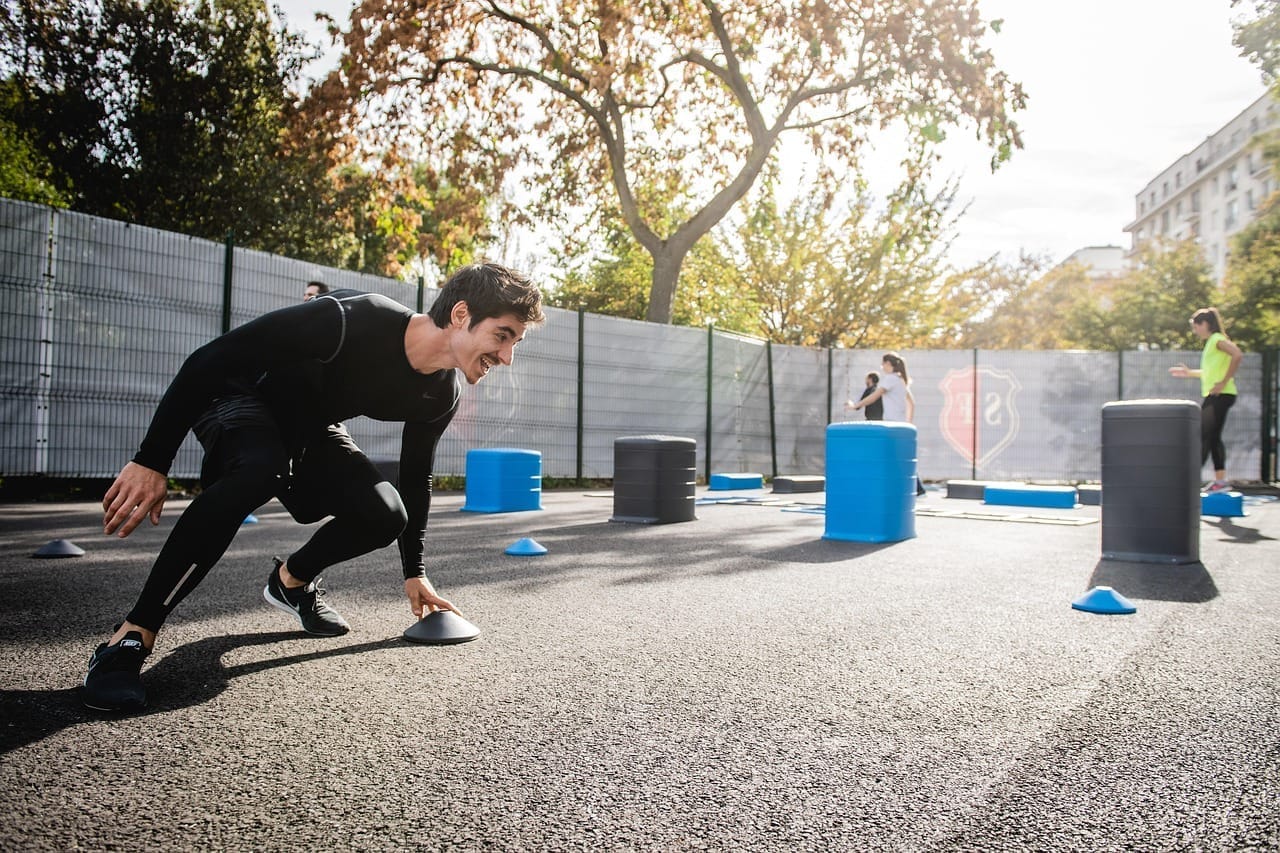
HIIT involves short bursts of vigorous effort (usually 80–95% of max heart rate), followed by periods of recovery.
Think: 4 minutes fast, 3 minutes slow, repeated 4 times — known as the Norwegian 4×4 protocol - or Tabata intervals with 20 seconds of effort, followed by 10 seconds of rest repeated 8 times.
HIIT workouts are not only time efficient but can yield big results.
A key study implementing the Norwegian 4x4 longevity workout found that this reduced heart age by up to 20 years when undertaken regularly.
Why HIIT Matters for Longevity
HIIT Improves VO₂ Max — The #1 Predictor of Lifespan
VO₂ max (your maximum oxygen uptake) is one of the strongest predictors of longevity ever discovered.
A landmark study from the Cleveland Clinic (122,000 adults, 23-year follow-up) found that:
Low cardio fitness had a higher mortality risk than smoking, diabetes or heart disease
Increasing VO₂ max to the “elite” category reduced mortality risk by up to 500%
HIIT is simply the most effective way to boost VO₂ max in the shortest time.
A typical protocol improves VO₂ max by:
5–10% in 4 weeks
15–30% in 6–12 months
This is why VO₂ max is often called “your cardiovascular age.” Try this VO2 max interval method to boost your VO2 max fast.
Reverses Cardiac Aging
A 2-year study from UT Southwestern found that adults over 50 who performed 5 hours of weekly exercise, including two HIIT sessions per week, reversed 20 years of heart stiffening and reduced cardiac aging markers.
Translation: HIIT helps your heart behave like it’s decades younger.
Boosts Mitochondria (Your Cellular Engines)
Your mitochondria are the powerhouses of your bodies' cells.
They convert energy from food into fuel that the cell can use. HIIT increases:
Mitochondrial size
Mitochondrial density
Mitochondrial efficiency
Direct benefits of these are improved energy, recovery, metabolism and cognitive performance. Learn more about mitochondrial support supplements in our guide.
Improves Insulin Sensitivity
Just 15 minutes of HIIT raises GLUT4 transporters (which pull glucose into muscles), improving:
Blood sugar stability
Fat metabolism
Metabolic flexibility
All crucial for longevity.
HIIT for Daily Life and Independence
As you age, you don’t want to slow down — you want to stay sharp, strong and energetic.
HIIT helps with:
Climbing stairs without getting winded
Keeping up with children or busy schedules
Maintaining strong circulation and oxygen delivery
Preventing age-related decline in heart and lung capacity
These are the real longevity benefits: feeling capable and energetic in everyday life.
Combine exercise with the most effective longevity diets to boost your benefits.
Common Misconceptions
You don't need to "destroy yourself". Zone 5 intervals can be kept short.
HIIT isn't just for younger people or heavy duty gym workouts. Older adults benefit greatly - especially with structured recovery.
You need special or expensive equipment to do HIIT with. HIIT can be done on commonly available equipment such as a bike, rower, incline treadmill or even walking hills.
HIIT is about effort relative to your fitness, not suffering! Combine with our top heat therapy products to help recovery and aging and the best cold plunge tubs to assist your training.
Best Picks For HIIT Training
As mentioned above, HIIT can often be completed for free or with equipment you have available at home or the gym.
For more focused results at home, the following tech can be useful:
Concept2 RowErg Machine – ideal for low-impact HIIT
Polar H10 Chest Strap – accurate heart rate monitor for interval training
Read our buyers guide of the best full-body rowing workout machine here.
2. Strength Training — Preserve Muscle to Stay Young
If HIIT keeps your heart young, strength training keeps you young.
Muscle is the ultimate longevity asset — mobility, metabolism, and independence all depend on it.
From age 30 onward, we naturally lose 3–8% of muscle per decade, accelerating to ~1% per year after the age of 50.
This process, called sarcopenia, is one of the strongest predictors of frailty and loss of independence.
Strength training is the only proven intervention that can fully stop — and even reverse — muscle loss.
Why Muscle Mass Determines Longevity
Muscle = Mobility
It's an unavoidable fact that stronger muscles make everyday life easier.
Examples of this include:
Carrying groceries
Getting up from the floor
Climbing stairs
Lifting grandkids
Preventing falls
Muscle is essential for mobility because strength, control and flexibility is required to move your joints through a full range of motion. As you age, loss of leg strength in particular, is closely tied to loss of independence.
Studies show that adults with higher lower-body strength maintain functional mobility 10–15 years longer than their peers.
Muscle = Metabolic Health
Skeletal muscle is your largest metabolic organ, and muscle mass provides several metabolic health benefits to your body.
Having more muscle means:
Better insulin sensitivity
Lower blood sugar
Higher resting metabolic rate
Less visceral fat
Lower risk of chronic diseases like type 2 diabetes and cardiovascular disease
In fact, a review in Frontiers in Physiology found that muscle mass is more protective than cardio alone for preventing chronic disease.
Muscle = Bone Density
Resistance training stimulates osteoblast activity (bone-building cells).
In other words, strength training can increase bone density because the stress that muscle contraction puts on the bones makes them stronger and denser.
For adults over 50, this is one of the strongest defenses against fractures, falls and osteoporosis which can all have a signifciant impact on mobility and independence.
A sad statistic states that up to 10% of patients with a hip frature die within a month, and up to one third die within a year.
Maintaining bone health and density through strength training can help mitigate this risk, with denser bones offering a large decrease in the risk of fracture.
Muscle = Brain Health
Muscle and brain health are closely linked through a number of mechanisms. Strength training releases myokines — powerful anti-inflammatory molecules that improve:
Neuroplasticity
Cognitive function
Brain functions like mood and emotional resilience
Poor muscle health is linked to cognitive decline due to increased inflammation, increased insulin sensitivity and metabloic dysfunction.
Researchers now consider muscle a key part of the “brain-body axis."
Physical training - especially resistance exercise - boosts muscle health and helps to release the beneficial molecules that support brain health.
Find out how the best supplements for longevity can also boost brain health.

Strength Training and Longevity Risk Reduction
An analysis of 80,000 adults that performed 2 or more strentgh sessions a week found:
10–20% reduction in all-cause mortality
17% reduction in cardiovascular mortality
12% reduction in cancer mortality
Studies showed that people who strength train have a lower risk of dying than those that don't. This includes a lower risk of chronic diseases, improved metabolic health, a stronger immune system and reduced cancer risk.
To recover faster from your next workout, compare the three best selling cold plunge tubs in the US.
Strength Training for Independence and Functional Freedom
This is where the message hits home.
Strength training helps you:
Stand up from a chair without using your hands
Move confidently on uneven ground
Maintain balance and coordination
Stay active, capable and independent well into later life
If longevity is the goal, building and maintaining muscle is your insurance policy.
How Strength Training Slows Muscle Loss
Strength training triggers muscle protein synthesis (MPS) — the repair and rebuilding of muscle fibers after intense work.
This directly counters sarcopenia - muscle loss that occurs through aging or immobility - even in adults over 70.
In a Tufts University study, adults in their 70s gained muscle comparable to adults in their 30s after 12 weeks of resistance training.
It’s never too late to start. Your muscle remains responsive throughout your entire life.
Hormonal and Metabolic Effects
In addition to the benefits mentioned above, strength training also improves:
Testosterone
Growth hormone
IGF-1
Insulin sensitivity
Fat oxidation
Mitochondrial function
These are all vital systems for keeping your biology young.
Best Picks For Strength Training At Home
Don't be put off from strength training if you've never stepped foot in a gym or don't enjoy that type of training environment.
You can also reap the benefits of strength training at home with relatively inexpensive and easy to store solutions such as a good set of adjustable dumbbells or a TRX trainer.
Here are our top picks:
NordicTrack 25kg Adjustable Dumbbells – perfect for home gyms
TRX Suspension Trainer – portable strength system for all ages
Comparison Table: HIIT vs Strength Training
| Feature | HIIT | Strength Training |
|---|---|---|
| Primary Benefit | Cardiovascular fitness & VO₂ max | Muscle mass & metabolic health |
| Longevity Pathway | Mitochondrial biogenesis, AMPK | mTOR balance, bone density |
| Time Required | 2–3 sessions / week, 20–30 min | 2–4 sessions / week, 30–45 min |
| Equipment | Minimal – rower, bike, bodyweight | Weights / bands |
| Recovery Need | High (short-term stress) | Moderate (repair phase) |
| Best For | Heart & metabolism | Strength & mobility |
| Evidence Base | Strong – cardio longevity studies | Strong – mortality reduction studies |
3. The Ideal Combo: Train Smart, Age Strong
Exercising for longevity isn’t a choice between HIIT or strength — combining the two offers the best of both worlds.
Your Example Week Could Be:
Mon: Strength (upper body)
Tue: HIIT (20–25 min bike intervals)
Wed: Active recovery (yoga or walk)
Thu: Strength (lower body)
Sat: HIIT or Zone 2 cardio
Sun: Rest / mobility
Don't forget: consistency beats intensity. Even two sessions a week of each type of training can add years of healthy and independent living to your healthspan.
Find out how other simple habits can help to add years to your life.
Frequently Asked Questions (FAQs)
Q1: Is HIIT better than strength training for longevity?
Both improve different systems. HIIT boosts heart health and mitochondria; strength training builds muscle and metabolic reserve. Combining them together is most effective.
Q2: How many HIIT sessions per week should I do?
2–3 sessions of 20–30 minutes is ideal for most people. Always allow recovery days to avoid burnout.
Q3: Can I combine HIIT and strength training in one session?
Yes — perform HIIT after strength sessions or on alternate days. Balance the intensity of your workouts with sleep and nutrition.
Q4: Which builds more muscle for aging adults?
Strength training. Muscle mass preserves metabolism and reduces frailty — a key predictor of longevity.
Q5: Do I need equipment for HIIT or strength training?
Not necessarily. Bodyweight HIIT and resistance bands are effective for beginners; then add weights as you progress.
Conclusion: Movement Is Medicine
You don’t need to spend hours in the gym to age well — you just need to move intentionally.
HIIT workouts keep your heart young. Whilst strength training keeps your body capable.
Together, they form the foundation of a long, active life.
Start small. Stay consistent.
Remember - every workout is a deposit in your longevity account.
👉 Download your free guide — 7 Longevity Hacks You Can Start Today
Inside you’ll learn:
How to pair exercise with recovery for optimal results
The key biohacks that improve energy and cellular health
A simple 7-day blueprint to start training for a longer life
References
Levine B. (2023). Reversing Cardiac Aging Through Exercise. UT Southwestern.
Harvard Health Publishing (2024). Strength Training and Longevity.
British Journal of Sports Medicine (2022). Resistance Exercise and Mortality.
NIH (2023). VO₂ Max as a Predictor of Health Span.
Sinclair D. A. (2019). Lifespan: Why We Age — and Why We Don’t Have To.
Please note: If you buy something through a link on this page, we may receive a small commission at no additional cost to you. Thanks for your support.
SIGN UP TO GET FREE WEEKLY INSIGHTS IN OUR NEWSLETTER
Evidence-based strategies to lower your biological age and optimize your healthspan — without the guesswork.
Some posts may contain affiliate links, which means we may earn a small commission - at no additional cost to you - if you make a purchase through those links. Thanks for your support. Read our full affiliate disclosure here.
Educational content only. Not medical advice.
support@lifespanblueprint.com
Follow us
Newsletter
Join 10,000+ longevity seekers and get weekly science-backed strategies to live younger, longer.
Enter your email below to get the free guide '7 Longevity Hacks You Can Start Today' instantly.
Created with © systeme.io