
Health Benefits Of A Cold Plunge: A Science-Backed Guide for Longevity
Introduction: Why Cold Plunges Are Everywhere Right Now
Cold plunging — otherwise known as cold water immersion — has grown exponentially in popularity in recent years. This has quickly changed from something only elite athletes and Nordic cultures did, crossing over into the mainstream longevity conversation.
This is in part due to Wim ‘The Iceman’ Hof championing its benefits through a number of challenging feats. Plus the impact of social media and a growing awareness of cold plungings many health benefits.
From professional sports teams to Silicon Valley biohackers, cold plunges are now used for:
Boosting mental resilience
Improving metabolic health
But beyond the hype, what are the real health benefits of cold plunges — and how should you actually use them?
This guide answers the most common (and most searched for) questions relating to cold plunges and cold water immersion using the latest science, physiology and practical experience.
What Is a Cold Plunge?
A cold plunge involves immersing your body in cold water — typically at temperatures between 3–15°C (37–59°F) — for a short, controlled period of time.
Due to its simplicity, cold plunges can be done using:
Ice baths
Cold pools
Natural bodies of cold water such as lakes or rivers
The goal of cold plunging is not discomfort for its own sake — but to trigger controlled hormetic stress, creating powerful adaptive responses in the body.
Health Benefits of Cold Plunge (Science-Backed)
There are several health benefits of cold plunging which include:
1. Improved Mental Resilience & Stress Tolerance
Through the hormetic stress response that cold exposure creates, your nervous system is trained to tolerate stress more effectively.
Repeated cold plunging improves:
Stress resilience
Emotional regulation
Anxiety tolerance
Mental clarity
Just the act of cold plunging itself - forcing your body into a situation that you know will be uncomfortable - helps to build resilience.
Cold exposure activates the sympathetic nervous system, followed by a strong parasympathetic rebound, which helps to improve long-term stress adaptability.
2. Reduced Inflammation & Faster Recovery
Cold plunges constrict blood vessels in the body, which reduces inflammation and swelling.
This is particularly useful for helping:
Muscle soreness
Joint pain
Post-exercise recovery
Chronic low-grade inflammation
Research shows that cold water immersion significantly helps to reduce Delayed Onset Muscle Soreness (DOMS) which is the aching, stiffness and tenderness you feel in your muscles 1-3 days after intense or unaccustomed exercise.
3. Boosted Metabolism & Brown Fat Activation
Cold exposure activates brown adipose tissue (BAT) — a metabolically active fat that burns energy to generate heat.
Benefits of this include:
Increased calorie expenditure
Improved insulin sensitivity
Better glucose regulation
Improved metabolic flexibility
This is one reason why cold plunges are associated with improved metabolic health and longevity.
4. Cardiovascular & Circulatory Benefits
Cold plunges improve vascular tone and circulation through repeated vasoconstriction and vasodilation i.e the narrowing and widening of the blood vessels.
This may support:
Blood pressure regulation
Endothelial function
Heart rate variability (HRV)
This leads to better circulation which in turn helps healthier aging.
5. Longevity & Cellular Health
Cold exposure activates longevity-related pathways, these include:
Improved mitochondrial efficiency - these are the powerhouses of your cells
Reduced oxidative stress
Enhanced autophagy signaling - the bodies recycling and repair function
Hormetic stress adaptation - increasing long term resilience to stress
Proving this point, populations that regularly expose themselves to the cold (Nordic cultures and winter swimmers for example) contnue to show lower rates of chronic disease than other populations.
Is a Cold Plunge Good for You?
Yes — when done correctly.
Cold plunging is beneficial for most healthy adults, particularly when used:
2–4 times per week
At moderate temperatures
For short, controlled durations
However, cold plunging shouldn't be taken to extremes and people with cardiovascular conditions, uncontrolled hypertension or Raynaud’s should consult a healthcare professional first.

How Long Should You Cold Plunge the First Time?
For first-time users of cold plunges, we recommend starting slow for 30 seconds - 1 minute per session. Aim for a temperature of around 10–15°C (50–59°F).
Then gradually increase the exposure time to 2-3 mintes for more experienced users when your body starts to adapt.
You should focus on:
Slow, controlled nasal breathing to manage the panic response (the fight or flight reaction in your body)
Maintaining a relaxed posture
Set a time limit and don't plunge alone - especially when starting out or in very cold water
Remember: You should leave the plunge feeling energised, not drained. Start cold plunging gradually and build up from there as you become more used to it.
How Many Cold Plunges Per Day?
For the majority of people, one cold plunge per day is enough, and 2–4 sessions throughout the week is ideal.
Multiple daily plunges are generally unnecessary and may:
Elevate stress hormones
Impair recovery
Disrupt sleep
Longevity comes from consistency over time, not intensity.
What Is The Best Cold Plunge Temperature?
Typical cold plunge temperature ranges are:
| Level | Temperature |
|---|---|
| Beginner | 10–15°C (50–59°F) |
| Intermediate | 7–10°C (45–50°F) |
| Advanced | 3–7°C (37–45°F) |
What Temp Should Cold Plunge Be?
The best cold plunge temperature will vary depending on your goals.
As a general rule of thumb:
For recovery and building stress resilience: 8–12°C
For metabolic benefits and brown fat activation: 5–10°C
Beginners: start at 10–15°C
Colder is not always better — the adaptations that take place in your body matter more.
When Is the Best Time to Cold Plunge?
Cold plunging at different times of the day can offer different benefits such as:
Morning - boosts alertness and dopamine
Post-workout - helps to reduce inflammation and recover faster
Midday - give a quick mental reset
You should avoid cold plunging:
Right before bed - this can disrupt sleep
Immediately after hypertrophy-focused training - this may blunt muscle growth
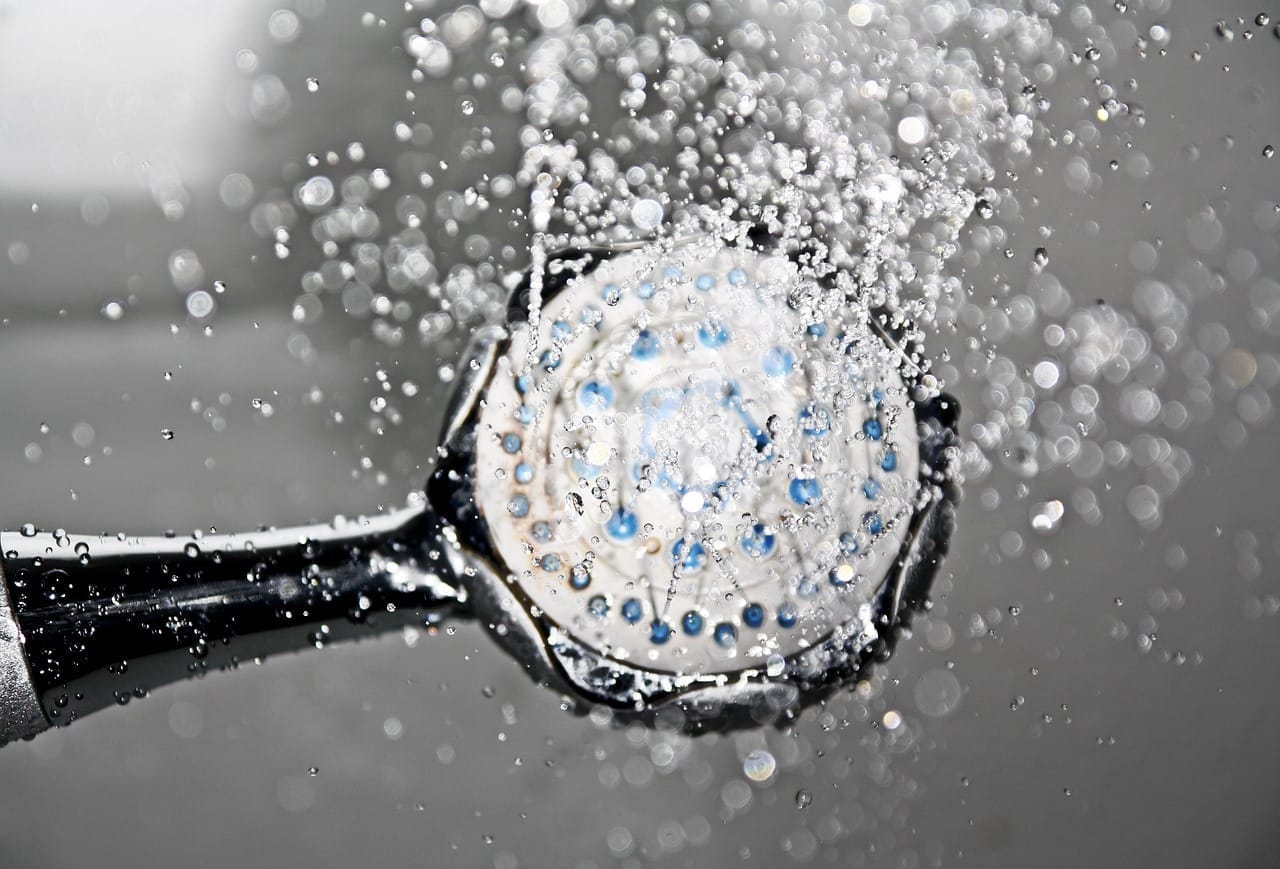
Cold Shower vs Cold Plunge: What’s Better?
Which offers the most beneifts - cold showers or a cold plunge?
See how the two compare:
| Cold Shower | Cold Plunge |
|---|---|
| Easier access | Deeper physiological response |
| Less intense | Full-body immersion |
| Good habit builder | Stronger recovery & metabolic effects |
| Lower stress | Higher hormetic stimulus |
Cold showers offer a great starting point to enjoying the benefits of cold water therapy.
However, due to full immersion, cold plunges deliver these benefits more effectively.
Is a Cold Plunge Good When You’re Sick?
Generally speaking, no - you should avoid cold plunging if you are unwell.
This includes if you are:
Fighting an infection
Feverish
Run down
Immunocompromised
In these circumtances, cold plunging can add unnecessary stress to your body so should be avoided.
Instead; try light movement, sleep, hydration and warmth to help recovery.
Cold Plunge Benefits for Women
Women in particular may experience unique benefits from cold water therapy.
These benefits include:
Improved stress resilience
Hormone regulation support
Reduced PMS symptoms
Improved mood
Improved metabolic flexibility
However, bear in mind that women are often more cold-sensitive so build up with slightly warmer temperatures and shorter durations to allow for your body to adapt to regular practice.
Cold Plunge Safety Guidelines
To ensure you are cold plunging safely, follow these recommendations:
Never plunge alone in unsafe environments
Avoid breath-holding
Exit if you feel dizzy or numb
Warm up naturally afterward (movement is better than a hot shower)
Avoid alcohol before cold exposure
Final Thoughts: Cold Plunging as a Longevity Tool
Cold plunges are not a magic bullet for your health — but they are a powerful, low-cost longevity practice when used correctly.
Done consistently, cold plunging can improve your:
Mental resilience
Metabolic health
Inflammation control
Recovery
Long-term vitality
To find out more, see how the benefits of cold water compare with heat therapy, and check out our pick of the best cold plunges in our buyer's guide.
Can't wait to get started with cold plunges?
Download your free Cold Plunge Quick Start Guide here:
SIGN UP TO GET FREE WEEKLY INSIGHTS IN OUR NEWSLETTER
Evidence-based strategies to lower your biological age and optimize your healthspan — without the guesswork.
Some posts may contain affiliate links, which means we may earn a small commission - at no additional cost to you - if you make a purchase through those links. Thanks for your support. Read our full affiliate disclosure here.
Educational content only. Not medical advice.
support@lifespanblueprint.com
Follow us
Newsletter
Join 10,000+ longevity seekers and get weekly science-backed strategies to live younger, longer.
Enter your email below to get the free guide '7 Longevity Hacks You Can Start Today' instantly.
Created with © systeme.io