
Are Saunas Good for You? The Science-Backed Benefits of Sauna Use for Health & Longevity
Are Saunas Good For You?
In the past, saunas were often seen as a deeply rooted cultural tradition — especially in Nordic countries like Finland, Sweden, Norway and Denmark.
Today, they’ve become increasingly popular as one of the most powerful lifestyle tools for health, recovery and longevity.
From improved cardiovascular health and reduced all-cause mortality to better skin, stress resilience and post-workout recovery - regular sauna use is now backed by decades of research.
In this comprehensive guide, we’ll explore why saunas are good for you, how different types of saunas compare, how often and how hot you should use them, and which sauna options make sense across different budgets — all with a focus on longevity.
Why Sauna Use Is Linked to Longevity
Saunas work by applying controlled heat stress, which is a form of hormesis.
This mild stress triggers adaptive responses in the body that make it more resilient over time.
Regular sauna use has been associated with a number of health benefits including:
Reduced cardiovascular disease risk
Lower all-cause mortality
Improved metabolic and vascular health
Better stress tolerance and recovery
The Landmark Sauna Mortality Studies
Some of the most compelling evidence comes from long-term Nordic population studies.
One large Finnish study followed over 2,000 middle-aged men for more than 20 years and found that:
Sauna use 2–3 times per week was associated with a 20% lower risk of all-cause mortality
Sauna use 4–7 times per week was associated with a 40% lower risk of all-cause mortality
The benefits were found to extend beyond heart health alone, showing reductions in:
Sudden cardiac death
Stroke
Neurodegenerative disease risk
While these studies are observational in nature, the consistency of findings — combined with strong biological plausibility — makes sauna use one of the most promising longevity habits available.
Sauna Benefits for Health (What the Science Shows)
1. Cardiovascular Health and Circulation
Sauna bathing mimics the effects of exercise in the body, and raises heart rate to levels comparable to moderate exercise.
Over time, this can improve:
Blood vessel flexibility
Endothelial function
Blood pressure regulation
This helps explain why sauna use is so strongly linked to reduced cardiovascular mortality.
2. Stress Reduction and Nervous System Balance
Heat exposure activates the sympathetic nervous system (part of the bodies 'fight or flight' system) during sauna use — but crucially, enhances parasympathetic rebound (the bodies 'calming down' reaction) afterward.
This leads to:
Reduced baseline stress with a slower heart rate and lowered blood pressure
Better emotional regulation
From a longevity perspective, chronic stress is one of the biggest accelerators of aging.
Sauna helps to counteract this by applying minor stresses to the body which builds resilience over time.
3. Sauna Benefits After Working Out (Post-Workout Recovery)
You'll often see saunas at gyms and health clubs.
Alongside the benefits above, using a sauna post workout can:
Increase blood flow to muscles
Reduce muscle soreness
Support faster recovery
Switch the body to relaxation after intense training
These sauna benefits post workout are especially valuable for:
Endurance athletes
Recovery after strength training
Older adults maintaining muscle function
4. Sauna Benefits for Skin
Heat exposure increases circulation to the skin and stimulates sweating, which can:
Improve skin tone
Support detoxification via sweat
Enhance skin barrier function
Regular sauna use is often associated with clearer, healthier-looking skin — especially when paired with good hydration.
5. Immune Support and Sauna Use for Colds
A common question that people ask is: are saunas good for colds?
While saunas won’t cure infections, regular sauna use is associated with:
Fewer respiratory infections
Shorter duration of common colds
Heat exposure may strentghen the immune system and stress resilience allowing your body to deal with coklds and viruses more effectively. However, sauna use should be avoided during acute fever or illness.

Dry vs Wet Sauna Benefits (And Which Is Better?)
Dry Sauna (Traditional Finnish Sauna)
Traditional Finnish saunas are characterised by a high dry heat, with water ladled on to durable, volcanic rocks to create additional heat and steam.
Finnish saunas have:
High temperature (70–100°C or 158–212°F)
Low humidity
They are best for:
Deep heat stress adaptation
Wet Sauna / Steam Room
Wet saunas or steam rooms offers a different experience to dry Finnsh saunas. These are characterised by:
Lower temperatures
Very high humidity
Best for:
Respiratory comfort
Skin hydration
People who struggle with dry heat
Whilst both types of sauna have their own health benefits, from a longevity perspective, dry saunas have the strongest evidence.
This is particularly strong for cardiovascular and mortality benefits.
Read our full guide to traditional sauna vs infrared sauna vs steam room here.
Traditional Sauna vs Infrared Sauna
Traditional Sauna
A traditional style sauna:
Heats the air
Operates at higher temperatures
Strong cardiovascular stress
This is best for: Longevity, cardiovascular health and the traditional sauna experience.
Infrared Sauna
Infrared saunas have grown in popularity due to their convenience and accesibility. They:
Use infrared light to heat the body directly
Operate at a lower ambient temperature
Are often more tolerable for beginners
Infrared saunas are best for: Relaxation, recovery and people who are sensitive to high heat
Whilsts both styles of sauna have their benefits, traditional saunas have more long-term mortality data.
In contrast, infrared saunas offer better accessibility and convenience.
Read our guide to the best infrared sauna blankets for more details.
What Temperature Should a Sauna Be?
A common question new sauna users ask is: what is the best sauna temperature?
General guidelines are:
Traditional sauna: Operates at 70–90°C (158–194°F)
Infrared sauna: Operates at 45–60°C (113–140°F)
As a personal guidleine, the best sauna temperature for you is one that:
Feels challenging but safe
Allows calm and steady breathing
Can be tolerated consistently
The intensity of the sauna experience matters less than how often you use it.
How Many Times a Week Should You Sauna?
For general health benefits, using a sauna 2–3 times per week is effective.
For maximum longevity benefits (based on Finnish population studies) up to 4–7 times per week appears the sweet spot for maximum health benefits and all cause mortality reduction.
Aim for a session length of around 10–20 minutes. This can be split across multiple short rounds as comfort requires.
Morning or Night: When Is the Best Time to Sauna?
Is it better to sauna in the morning or night?
This will depend on your inidivudla mood and goals for the sauna. An evening sauna helps to promote relaxation and supports sleep onset.
Alternatively, some people will find a morning sauna energising and can also support stress resilience.
This is down to individual choice, but most people tend to prefer evening sauna use, especially for sleep and stress reduction.
Overview: Best Sauna Options (By Budget & Type)
Below is a practical overview of different categories of sauna products to cater for variety of home uses and budgets, to achieve the health benefits of regular sauna use.
These options are widely available and hgihly rated.
Traditional Home Saunas
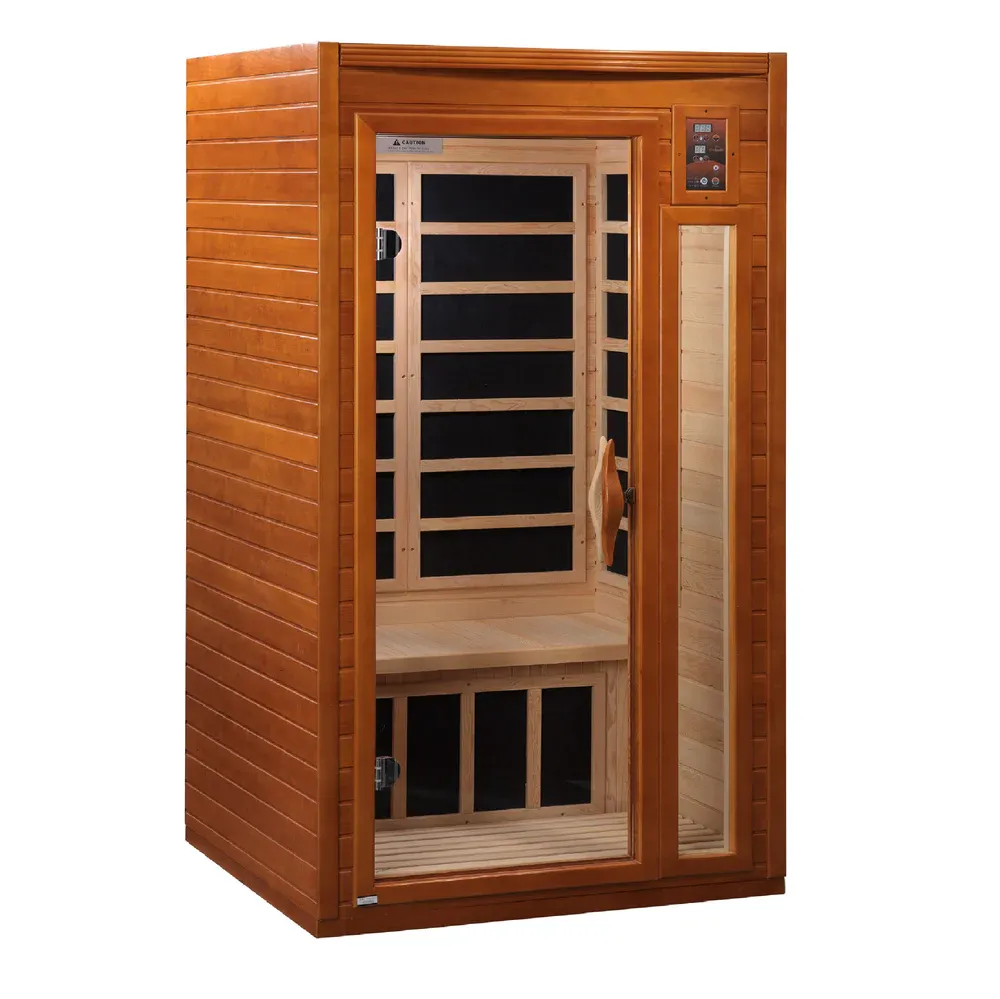
Dynamic Barcelona Infrared Sauna – Highly rated and popular home unit for 1-2 people
JNH Lifestyles Joyous Sauna – Well-rated wooden sauna
These options are comprehensive home setups representing a significant investment. These are best for dedicated home setups and long-term use.
Steam Rooms / Steam Generators
SteamSpa Steam Generator – Turn your existing shower into your own steam room - strong reviews, modular setup
A steam generator helps to mimic the effects of a steam room and transform your home shower. These are best for people who prefer a wet sauna experience.
Sauna Tents (Budget-Friendly)
SereneLife Portable Infrared Sauna Tent - Highly rated infrared sauna with heated foot pad and folding chair
Sau - Budget friendly and well rated sauna box
Sauna tents offer a budget friendly alternative to more expensive home sauna options, whilst still allowiong you to enjoy the health benefits of sauna use. These are best for small spaces, budget setups and beginners.
Sauna Blankets (Most Accessible)
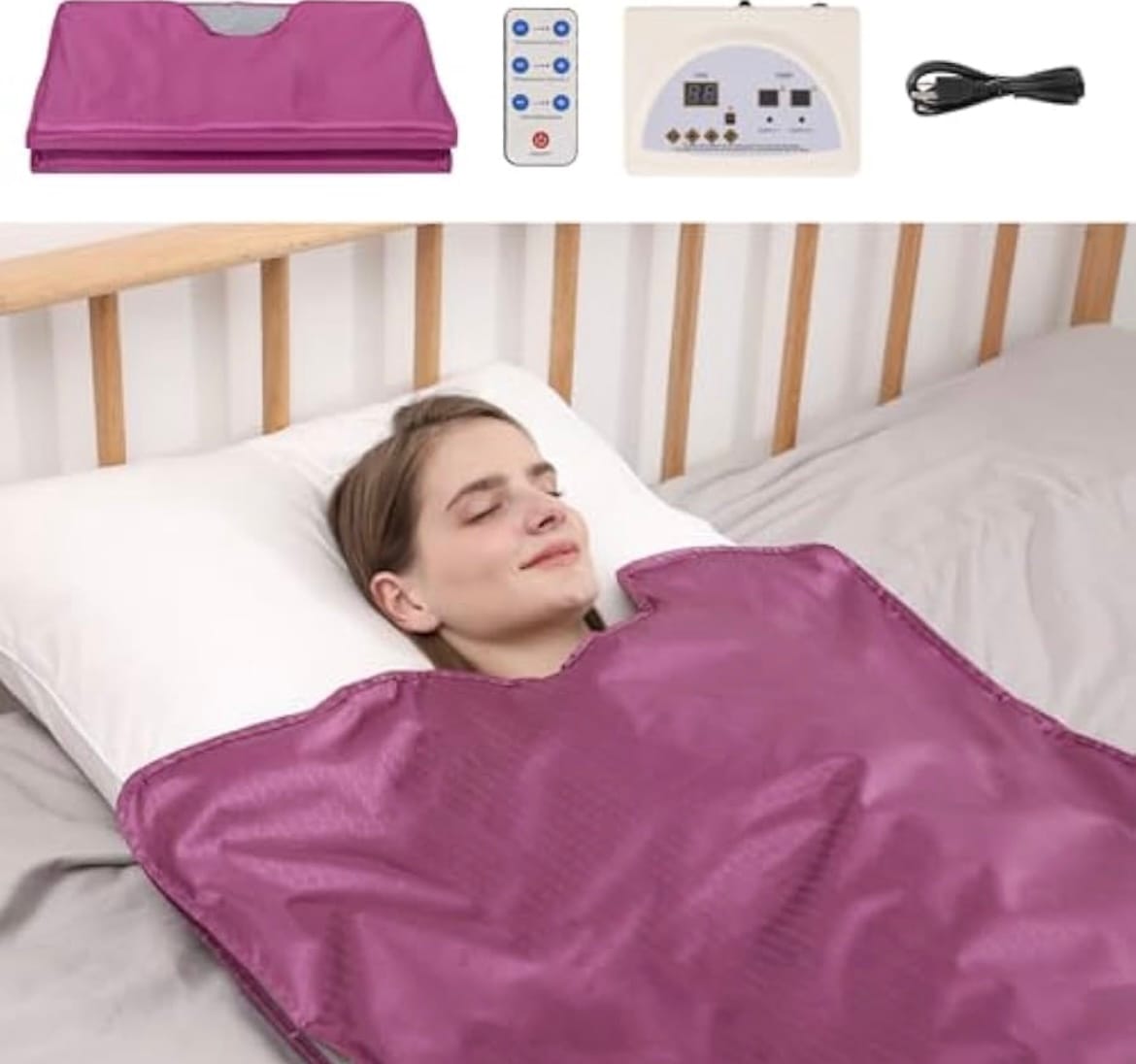
HigherDOSE Infrared Sauna Blanket - Convenient and cost effective blanket for stress relief and recovery
LifePro Far Infrared Sauna Blanket - Affordable, well rated and great for beginners
Sauna blankets are one of the easiest ways to integrate heat therapy into a routine without major space or cost requirements. These are best for convenience, affordability and easy daily use.
Sauna and Cold Plunge: A Powerful Combination
Alternating between heat and cold exposure creates a strong contrast therapy effect.
The benefits of this include:
Improved circulation
Enhanced nervous system resilience
Greater stress tolerance
This pairing is commonly used in Nordic cultures and fits perfectly into a longevity-focused lifestyle.
Sauna as Part of a Longevity System
Sauna use is powerful — but it works best as part of a broader system.
The benefits compound when combined with:
Regular movement
This systems approach is exactly what we focus on inside the Biohacker’s Longevity Starter Kit, which helps you integrate tools like sauna, cold plunge, exercise and recovery into a sustainable long term routine.
FAQs: Sauna & Health
Are saunas good for you?
Yes — regular sauna use is strongly associated with improved cardiovascular health, reduced mortality and better stress resilience.
What are the main sauna health benefits?
The main health beenfits of regular sauna use include improved heart health, stress reduction, recovery, skin health and longevity support.
Can you sauna too much?
Yes. Excessive heat without hydration or recovery can be counterproductive. Listen to your body and hydrate regularly when using saunas.
The Big Picture: Why Sauna Is One of the Best Longevity Habits
Sauna use is a time-tested, science-supported practice that improves your bodies resilience at a cellular, cardiovascular and nervous system level.
Few lifestyle interventions offer such a strong combination of:
Enjoyment
Accessibility
Science backed longevity benefits
If you’re looking for a high-return habit that supports long-term health, regular sauna use is one of the best places to start.
SIGN UP TO GET FREE WEEKLY INSIGHTS IN OUR NEWSLETTER
Evidence-based strategies to lower your biological age and optimize your healthspan — without the guesswork.
Some posts may contain affiliate links, which means we may earn a small commission - at no additional cost to you - if you make a purchase through those links. Thanks for your support. Read our full affiliate disclosure here.
Educational content only. Not medical advice.
support@lifespanblueprint.com
Follow us
Newsletter
Join 10,000+ longevity seekers and get weekly science-backed strategies to live younger, longer.
Enter your email below to get the free guide '7 Longevity Hacks You Can Start Today' instantly.
Created with © systeme.io