
15 Science-Backed Nutrition Habits That Increase Longevity (Fast Facts Guide)
15 Fast Facts for Longevity Nutrition (Science-Backed Guide)
Small changes. Big returns.
When it comes to long-term health, nutrition is one of the highest-leverage tools we have.
Each of these fast facts is grounded in research — and each one represents a simple, repeatable habit that compounds into years of improved healthspan and lifespan.
These nutrition facts for longevity aren’t extreme strategies. They’re practical, daily nutritional upgrades with many healthy quick food options that anyone can start today.
1. More Fiber = Longer Life
For every 5g increase in daily fibre intake, there is a reduction of all-cause mortality risk by 7–10% (EJCN, 2020).
Action: Add one extra serving or more of beans, lentils, oats, chia or flaxseed daily.
This will also improve digestive health, feed good gut bacteria and keep you feeling fuller for longer.
2. Cruciferous Vegetables Protect Your Heart
Eating cruciferous veggies 3–5× per week lowers cardiovascular disease risk by 30% and reduces cancer incidence (Journal of Nutrition, 2018).
Action: Eat broccoli, kale, cabbage or Brussels sprouts daily.

3. Berries Slow Brain Aging
Studies suggest that 2–3 servings of berries per week may delay cognitive aging by up to 2.5 years (Annals of Neurology, 2012).
Action: Add mixed berries to breakfast or smoothies.
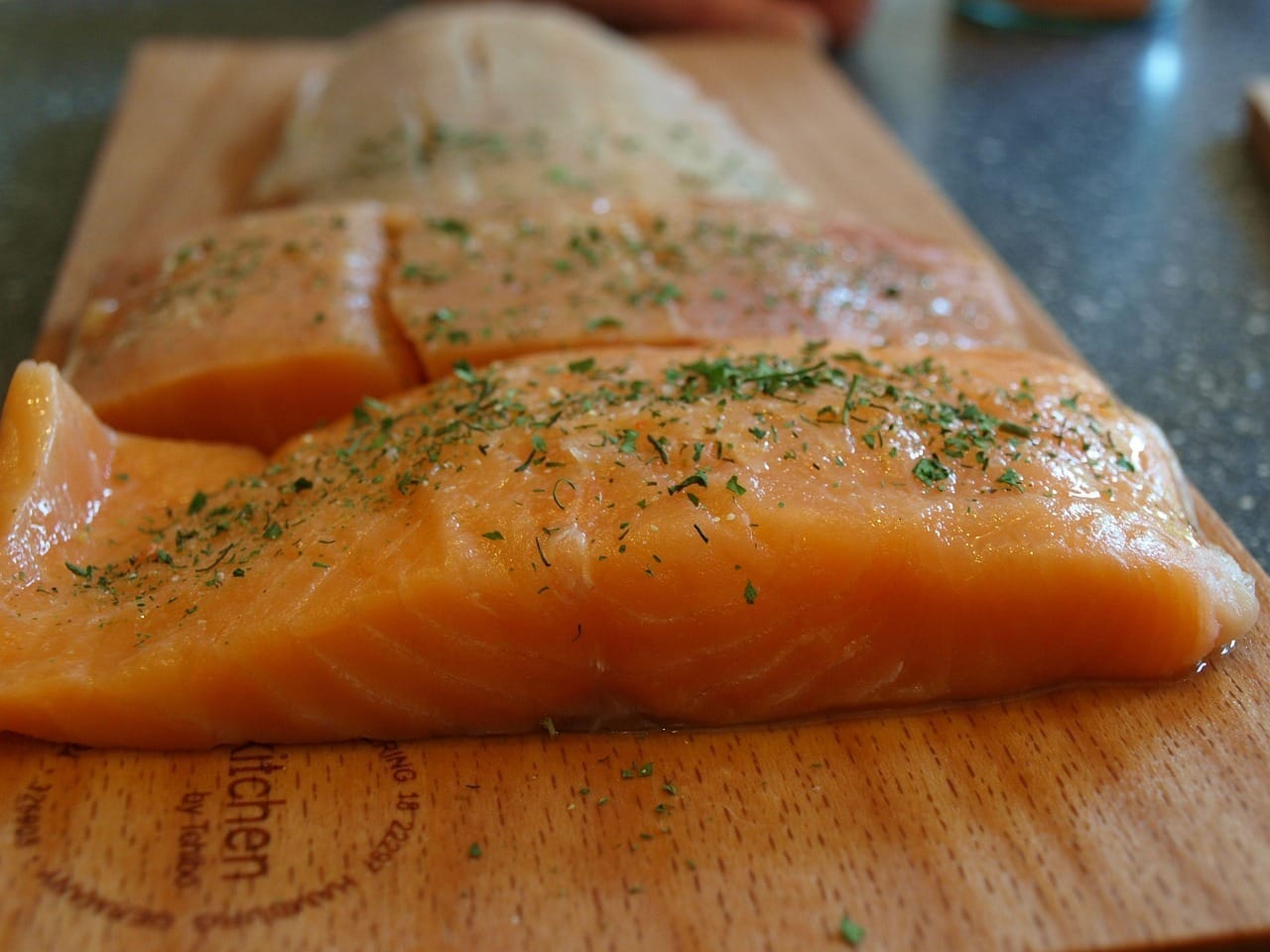
4. Omega-3s Reduce Early Death Risk
Linked with brain, heart and inflammation support; higher omega-3 (EPA & DHA) levels correlate with up to 30% lower risk of premature death (AJCN, 2021).
Action: Eat salmon, sardines, trout — or add chia or flax seeds daily.
Omega 3's are also one of the top 7 supplements you can add to boost longevity.
5. Intermittent Fasting Supports Cellular Repair
Time-restricted eating activates autophagy — your body’s natural cellular cleanup system (Cell Metabolism, 2019).
This is the body's natural recycling process which is essential for cell renewal, energy production and protecting your body against certain diseases.
Action: Try a 12–16 hour overnight fast 3–5× per week.
6. Mediterranean Diet = Proven Longevity
There's a reason why some residents of Greece fall into the Blue Zones - pockets of people around the world who live considerably longer than average.
Following a Mediterranean diet reduces mortality risk by 20% and cardiovascular death by 30% (BMJ, 2014).
Action: Prioritise a diet rich in olive oil, plants, whole grains, legumes and fish and try this Blue Zones morning routine.
7. Whole Grains Reduce Inflammation
Replacing refined grains with whole grains lowers CRP — a key inflammation marker — by 17% (AJCN, 2016).
Action: Swap white carbs for wholegrains such as oats, quinoa, barley or brown rice.
8. Hydration Supports Heart Health
Even mild dehydration increases cardiovascular risk by 21% (European Heart Journal, 2022).
Action: Aim to drink 2.5–3L of water daily. Start every day with 500ml of water upon waking.
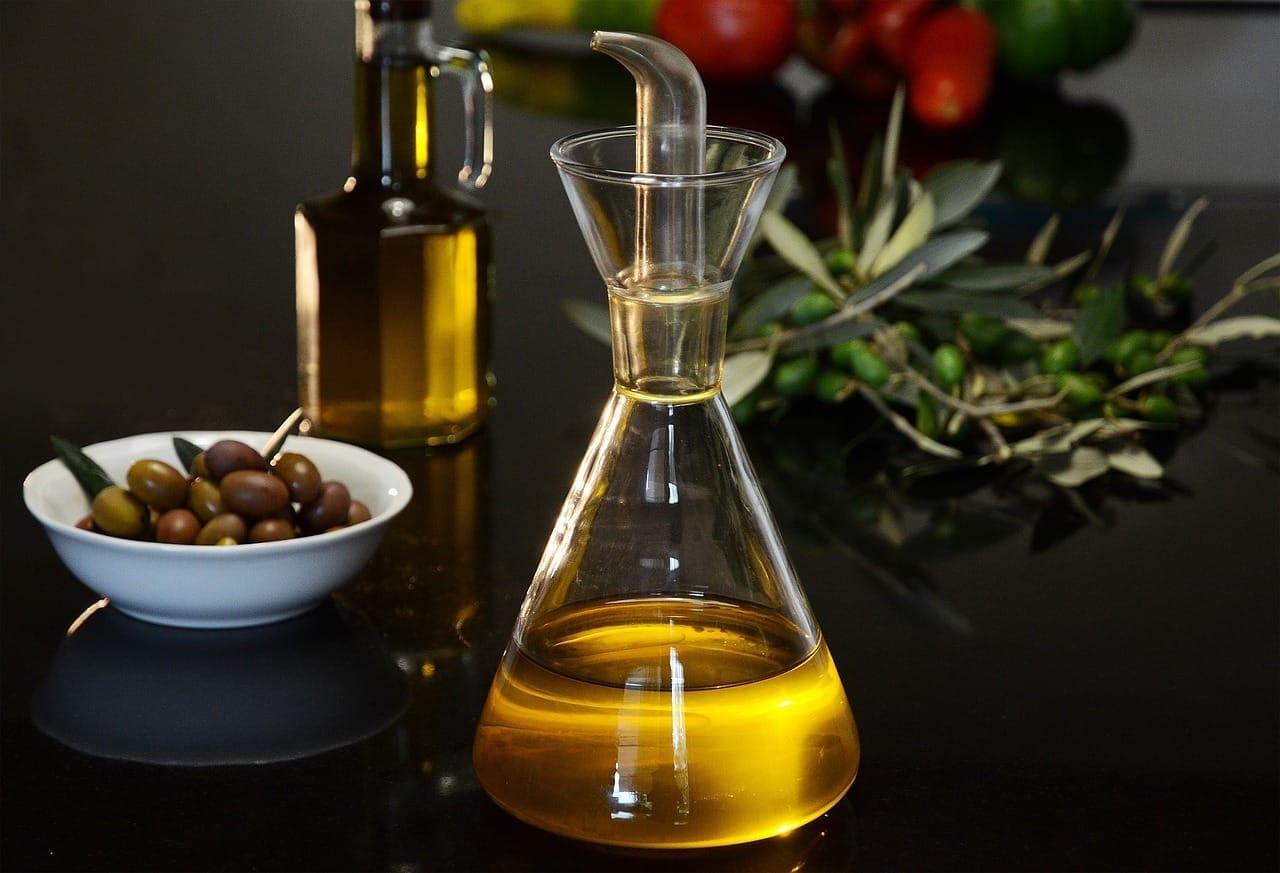
9. Healthy Fats Strengthen Cell Health
Replacing 5% of calories from saturated fat with unsaturated fats reduces heart disease risk by 25% (NEJM, 2015).
Action: Use olive oil, nuts, seeds and avocado as your primary source of fats.
See how extra virigin oil compares with avocado oil and seed oils for health benefits.
10. Eat 30+ Plants Per Week
Plant diversity supports a more robust gut microbiome — linked to immunity and lower inflammation (American Gut Project, 2018).
Action: Track your weekly plant count. Aim for 30+ varieties of fruits, vegetables, nuts and spices.
Combine with the benefits of heat and cold therapy to boost your body's resilience and recovery.
11. Polyphenols Support DNA Protection
Polyphenol-rich diets correlate with longer telomeres — a marker of biological aging (JAMA, 2017).
Action: Add herbs, spices, berries, green tea and olive oil daily.
12. Blood Sugar Stability Extends Lifespan
Stable glucose levels reduce the risk of metabolic syndrome by 35% (Diabetes Care, 2019).
Action: Eat protein and fibre before carbs. Minimise sugary snacks.
13. Spices Have Drug-Like Anti-Inflammatory Effects
Turmeric, garlic and ginger show anti-inflammatory effects comparable to NSAIDs (Pharmacognosy Research, 2020).
Action: Add turmeric and black pepper to meals daily for anti-inflammatory effects, antioxidant protection, metabolic support and muscle recovery.
What is turmeric good for? Find out now in our online guide.
14. Muscle Mass Supports Metabolic Longevity
Every 10% increase in lean muscle is linked to 8–10% lower mortality (American Journal of Medicine, 2014).
Action: Pair protein-rich meals with strength training 2× per week.
15. Green Tea Improves Longevity Markers
Drinking green tea daily reduces heart disease and all-cause mortality by 20% (European Journal of Epidemiology, 2020).
Action: Swap one coffee or soda a day for green tea.
The Big Picture
The 15 science backed nutrition facts above demonstrate that you don’t need trends, extremes or complicated nutrition plans to make a significant effect on your long term health.
The evidence is clear:
✔ Eat whole foods
✔ Prioritise plants
✔ Manage blood sugar
✔ Drink enough water
✔ Build muscle
✔ Reduce inflammation
✔ Stay consistent
Nutrition isn’t about restriction — it’s about repetition and consistency.
Small daily decisions compound into a biologically younger, healthier you.
Find out how you can add more simple daily habits to your routine to boost your health and lifespan in our free guide '7 Longevity Hacks You Can Start Today.'
SIGN UP TO GET FREE WEEKLY INSIGHTS IN OUR NEWSLETTER
Evidence-based strategies to lower your biological age and optimize your healthspan — without the guesswork.
Some posts may contain affiliate links, which means we may earn a small commission - at no additional cost to you - if you make a purchase through those links. Thanks for your support. Read our full affiliate disclosure here.
Educational content only. Not medical advice.
support@lifespanblueprint.com
Follow us
Newsletter
Join 10,000+ longevity seekers and get weekly science-backed strategies to live younger, longer.
Enter your email below to get the free guide '7 Longevity Hacks You Can Start Today' instantly.
Created with © systeme.io