10 Best Health Foods for Long-Term Health, Energy & Longevity
Introduction: Why Food Choices Matter More Than You Think
You are quite literally what you eat.
The foods that you consume are the raw materials that build you from the inside out. They send constant signals to your body influencing everything from feelings of hunger, to your mood and metabolism.
Like many things in life, the quality of the inputs (the foods you eat) dictate the quality of the outputs (how your body feels and performs.)
Most chronic diseases don’t appear overnight. They are the result of thousands of small food choices, repeated day after day, year after year.
Poor choices such as ultra-processed foods, excess sugar, refined oils and low-nutrient diets quietly create the following problems:
Chronic inflammation
Insulin resistance
Metabolic dysfunction
Cardiovascular disease
On the other hand, if you consistently choose nutrient-dense, whole foods; these can slow biological aging, protect your brain, improve energy levels and dramatically reduce disease risk.
The main insight from longevity science is that you don’t need extreme diets or constant perfection.
Instead, positive habits and small upgrades, done consistently over time, will compound into decades of better health.
This article breaks down the 10 best health foods — foods that are:
Widely available
Affordable
Supported by strong scientific evidence
Easy to include in daily life
Together, they form the foundation of what researchers often call the longevity diet.
What Is “The Longevity Diet”?
The longevity diet isn’t a single rigid plan. It’s a pattern.
Across the Mediterranean, Blue Zones, and large population studies, the longest-living people tend to eat diets that are:
Rich in plants
High in fiber and antioxidants
Moderate in protein
Low in ultra-processed foods
Centered around real, whole food ingredients
The foods below show up repeatedly in longevity research, because they support the body’s core systems:
Metabolism
Cardiovascular function
Gut health
Inflammation control
Try adding these foods to your daily routine more often to start enjoying their benefits and help to create your own longevtiy diet.
The 10 Best Health Foods (Science-Backed)
1. Berries (Blueberries, Strawberries, Raspberries)
Berries such as blackberries, blueberries, acai berries, cherries, raspberries and strawberries consistently rank among the most powerful foods for brain and heart health.
Both delicious and highly nutritious, they are known to boost the immune system, protect against many cancers, and help liver and brain function.
Bursting with antioxidants, berries average nearly ten times more than other fruits and vegetables (and over 50 times more antioxidants than in animal-based foods.)
Why Berries Are One of the Best Health Foods
Berries are extremely high in polyphenols and antioxidants
They have a low glycaemic load
They have anti-inflammatory properties
Health and Longevity Benefits
They slow down cognitive aging and memory decline
Support cardiovascular health
Reduce oxidative stress
A landmark study in Annals of Neurology found that regular berry consumption was associated with up to a 2.5 year delay in cognitive aging.
Easy Ways to Eat Them
Add to yoghurt or oatmeal
Frozen berries in smoothies
Have a handful as a snack
Aim for 60g per serving of fresh or frozen berries, or 40g if dried.
The beauty of berries is their versatility. Frozen berries are generally as nutritious as fresh ones, so an easy way to incorporate them is to have a bag of frozen berries at home which can be defrosted in the microwave and added to cereals, smoothies or as a healthy dessert with natural yoghurt.
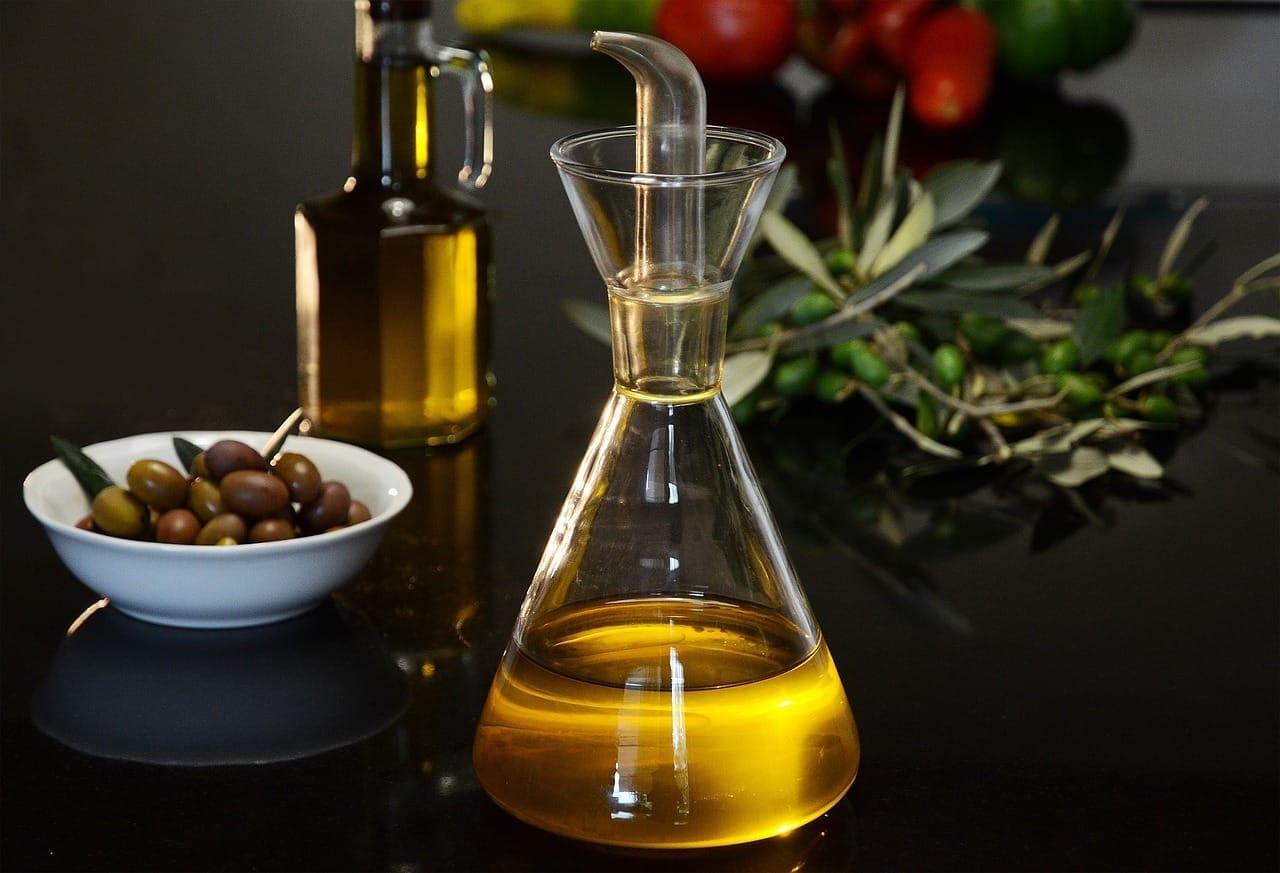
2. Extra Virgin Olive Oil
A key part of the Mediterranean diet - one of the worlds best diets to live a long, healthy life - Extra virgin olive oil (or EVOO for short) is one of the best foods for longevity ever studied.
Made up of healthy monounsaturated fats, these help to boost heart health and reduce inflammation alongside several other health benefits.
Why Extra Virgin Olive Oil is One of the Best Health Foods
It's rich in monounsaturated fats
Contains polyphenols like oleocanthal
EVOO is anti-inflammatory and heart-protective
Health & Longevity Benefits
EVOO consumption reduces cardiovascular disease risk, lowering bad cholesterol and blood pressure
Lowers inflammation markers
Supports brain health
The PREDIMED trial showed that people consuming a Mediterranean diet with olive oil had significantly lower rates of heart disease and mortality than average.
Easy Ways to add EVOO To Your Diet
Drizzle on vegetables
Use as your primary cooking fat, replacing seed oils
Add to salads and soups
A simple addition to a longevity focused diet, extra virgin olive oil is one of the 10 best health foods due it's rich nutrient profile, helping to combat chronic disease and support healthy aging.
For the most benefits, choose a high quality EVOO that is cold pressed and in a dark bottle.
Compare the benefits of extra virgin olive oil vs avocado oil vs seed oils.
3. Leafy Green Vegetables (Spinach, Kale, Swiss Chard)
Leafy greens are nutritional powerhouses packed with vitamins such as A, C, K and folates, plus minerals including calcium, magnesium, iron and potassium.
They have a very low calorie density meaning they can aid with weightloss, are high in fiber and packed with antioxidants.
A diet rich in leafy green vegetables is a cornerstone of healthy eating, and come with a host of benefits.
Key Nutrients
Folate
Magnesium
Vitamin K
Carotenoids
Health Benefits of Leafy Green Vegetables
They support brain health and memory
Improve vascular function
Reduce inflammation
Reduce risk of chronic diseases like cancer and heart disease
Research from Neurology found that people who ate leafy greens daily had significantly slower cognitive decline than those who did not.
Healthy Quick Food Options
Pre-washed salad mixes
Sautéed greens with olive oil
Blended into smoothies
When your parents told you to 'eat your greens' they were right.
Adding more leafy green vegetables to each meal is an easy way to add nutrient dense foods and build a longevity focused diet.
4. Fatty Fish (Salmon, Sardines, Mackerel)
Fatty fish are the most reliable dietary source of omega-3 fatty acids (EPA & DHA) - essential fats that your body doesn't make itself, so requires either from the foods you eat or supplements.
These significantly benefit heart health and brain function by lowering triglycerides, and improving your circulation, eye health and mental wellbeing.
Higher omega 3 levels are also associated with a 30% lower risk of premature death, which is why health organizations recommend eating fatty fish at least twice a week.
Why Fatty Fish Are Essential To Your Diet
They are high in EPA and DHA omega-3 fatty acids
Supports cell membranes
They contain anti-inflammatory properties
Health Benefits
Lowers risk of cardiovascular disease
Supports brain structure and function
Improves mood and cognition
Higher omega-3 intake is associated with lower all-cause mortality in multiple large cohort studies.
Easy Ways to Eat Them
Canned sardines or salmon
Grilled or baked salmon
Fish added to salads
Adding fatty fish to your diet is one of the most important longevity focused additioons to your diet that you can make.
Fatty fish types include salmon, mackerel, anchovies, sardines, trout and herring. Aim for Marine Stewardship Council (MSC) certified fish to ensure they are sourced sustainably.

5. Nuts & Seeds (Especially Walnuts)
Nuts are high energy and incredibly nutrient-dense powerhouses.
High in healthy fats , protein, fiber, vitamins and minerals - they improve cholesterol levels, support gut health, fight inflammation and boost brain function.
They are a healthy and versatile addition to your diet that supports cardiovascular and metablic health.
Whilst they all offer health benefits, for the most 'bang for your buck' choose walnuts, almonds, Brazil nuts, cashews and pistachios.
Why Walnuts Stand Out
Walnuts are rich in omega-3 ALA
Rich in antioxidants
They support vascular health
Longevity Benefits of Nuts
Reduced heart disease risk
They can reduce bad cholesterol levels
Lower inflammation
According to large observational studies, people who eat nuts regularly tend to live longer and healthier lives.
Quick Options
Add a handful as a snack
Add nuts to yoghurts or salads
Use nut butters (with minimal ingredients)
Eat a variety of different types of nuts to enjoy their various benefits and aim for a small handful (around 30g) daily. Choose raw or dry roasted over salted varieties.
6. Legumes (Lentils, Chickpeas, Beans)
Legumes such as beans, lentils and peas are nutrient dense and high in fiber, plant protein, essential minerals and antioxidants.
They are a cornerstone of Blue Zone diets, supporting heart health by lowering bad cholesterol and blood pressure, stabilizing blood sugar (which helps to prevent diabetes) and promoting gut health.
Why They Matter
High in plant-based protein
Low glycaemic impact with slow releasing carbohydrates offer a steady source of energy
Health Benefits
Improved gut health
Better blood sugar control
Reduced cardiovascular risk
In longevity hotspots like Sardinia and Ikaria, legumes are eaten almost daily.
Easy Ways to Eat Them
Eat canned lentils or beans
Dip chopped vegetables such as carrots, cucumber or peppers in hummus for a healthy snack
Added to soups and stews
Aim for at least one portion of legumes per day opting for no salt added canned options, or cook dried beans after soaking and rinsing.
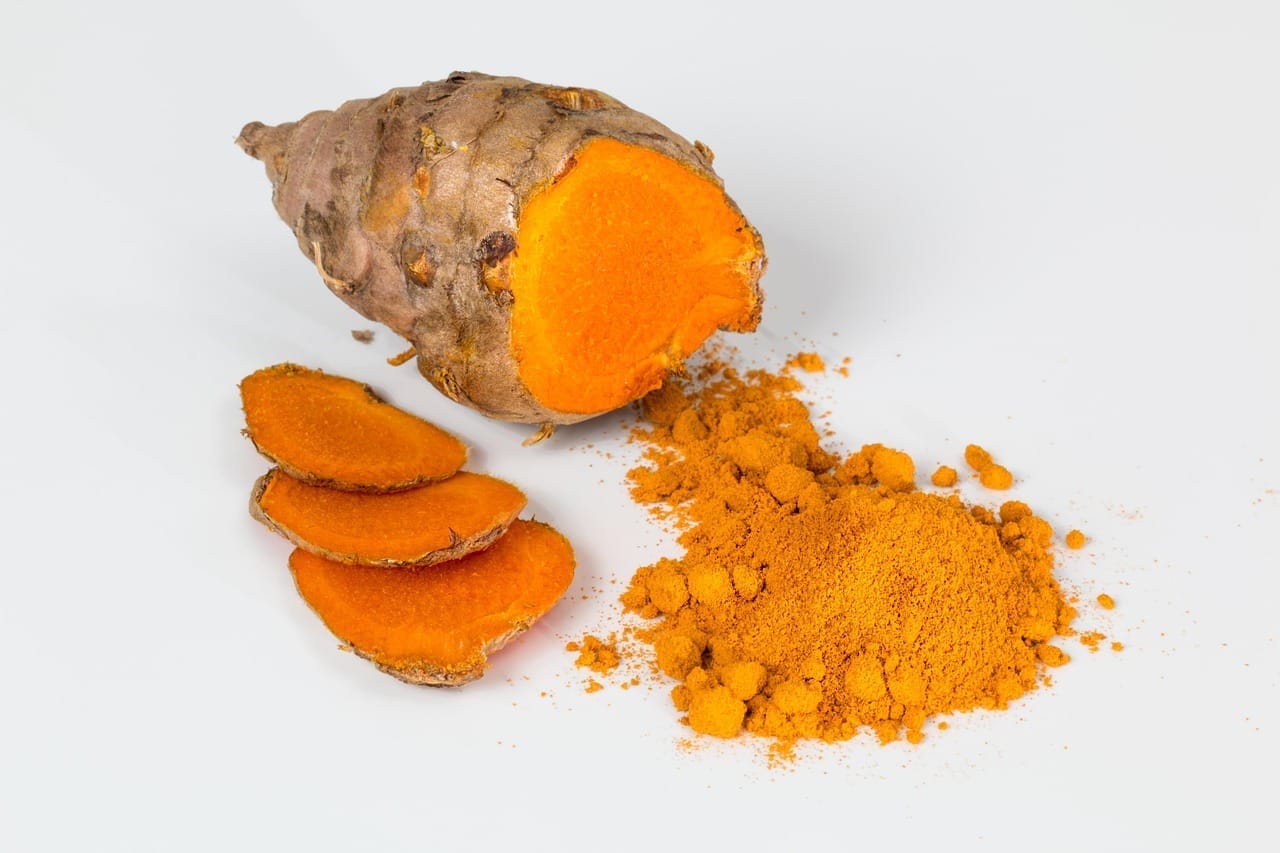
7. Turmeric
Turmeric’s active compound, curcumin, is one of the most studied and strongest natural anti-inflammatory compounds, and has been used in medicine for thousands of years.
It is beneficial for boosting brain health, protecting the heart and helping healthy aging.
Benefits of Turmeric
Reduces chronic inflammation
Supports joint health
Activates antioxidant pathways
Curcumin has been shown to reduce inflammatory markers comparable to NSAIDs in some studies — without the side effects.
How to Use It
Turmeric and black pepper in cooking
Combine with black pepper to increase absorption by up to 2000% and aim for around 1/2 to 1 teaspoon of turmeric powder per day.
8. Fermented Foods (Yoghurt, Kefir, Sauerkraut)
Fermented foods such as yoghurt, kefir and sauerkraut contain probiotics which support the gut microbiome — a key regulator of longevity.
These foods improve your digestion and can help to lower the risk of certain diseases such as type 2 diabetes and heart disease.
Why Gut Health Matters
Around 70% of the immune system lives in the gut
Gut bacteria influences your metabolism and mood
Benefits of Fermented Foods
Improved digestion
Reduced inflammation
Better immune regulation
Quick Options
Live yoghurt or kefir
Fermented vegetables as a side dish
Small daily servings
Aim for fermented foods without unnecesary additives or high amounts of sugar and choose kefir, kimchi, sauerkraut and yoghurt for some of the most beneficial options.
9. Eggs
Eggs are one of the most complete and affordable foods available. They contain complete protein, healthy fats and vitamins A, D, B12 and folates in addition to the minerals selenium and choline.
These help to support brain function, heart health and eye health amongst several other benefits.
Key Nutrients
High-quality protein
Choline (brain health)
B vitamins
Health Benefits
Supports muscle mass
Helps maintain metabolic health
Supports cognitive function
Despite outdated myths, moderate egg consumption is not associated with increased heart disease risk in healthy individuals.
Easy Ways to Eat Them
Boiled eggs
Omelettes with vegetables
Quick scrambled eggs
Eggs are a convenient, affordable and versatile addition to your diet. Packed with vitamins and minerals, their high protein content (around 6-7g per egg) also helps to keep you fuller for longer.
I combine scrambled eggs with vegetables such as red onions and tomatoes, plus turmeric and black pepper most days for a nutritional breakfast that keeps me full until lunchtime.
10. Dark Chocolate (70%+ Cocoa)
Great news for the chocolate lovers amongst us. Yes — chocolate can be healthy, BUT only when chosen correctly.
Aim for types with a high cocoa content of at least 70%.
Packed with antioxidants, this type of chocolate is a superfood in itself and offers several powerful benefits. Rich in fiber and minerals including iron, magnesium, zinc and copper - it can help support heart health, boost brain function and improve mood.
Why It Helps
Dark chocolate is rich in flavanols
Improves blood flow
Has antioxidant effects
Benefits of Dark Chocolate
Supports heart health
Improves mood
May enhance cognitive function
The key is choosing a high cocoa content with minimal sugar. 70% dark chocolate is good - 85%+ is even better.
Eat 1–2 small squares after meals or paired with nuts or fruit.
Healthy Quick Food Options: Making This Realistic
Incorporating the 10 best health foods into a healthy eating plan that you can stick to doesn’t need to be complicated.
Simple examples of how you can add these foods into every day life include:
Eating yoghurt with berries and nuts
Eggs combined with leafy greens, such as scrambled eggs and spinach
Tinned fish such as salmon or sardines mixed with olive oil and vegetables for an easy and healthy snack or dinner
Lentil soup
Have a couple of squares of dark chocolate as dessert after your evening meal
These foods are:
Fast
Affordable
Widely available
Highly protective over time
See how we combine healthy snacks such as these with other lifestyle tweaks to make a healthier version of you in the Biohacker's Longevity Starter Kit.
Why These Foods Beat “Bad for You” Foods Long-Term
You should try to avoid and eliminate ultra-processed foods such as sugary snacks, packaged snacks (chips and cookies), frozen meals etc wherever possible as these foods:
Spike your blood sugar
Increase inflammation in the body
Impair gut health
Accelerate aging
By instead choosing whole foods - such as those in our 10 best health foods list - these will help to:
Stabilize your metabolism
Reduce disease risk
Support brain and heart health
These foods nourish your body and give them the nutrients that it requires to perform properly, protect against disease and age healthier - improving your long term health and lifespan.
Remember: Longevity isn’t about restriction — it’s about consistency and repetition of good choices over the long term.
Summary: Small Choices Equal A Big Lifespan Payoff
The 10 best health foods share a common theme - they work with your biology, not against it.
You don’t need to eat perfectly every single day. You just need to eat slightly better, more often.
When you build meals around:
Plants
Healthy fats
High fiber foods
Quality protein
You are following the longevity diet — whether you call it that or not.
Over time, these choices compound into giving you:
More energy
Sharper thinking
Lower disease risk
Start small. Stay consistent and let time do the work.
For other simple lifestyle tweaks you can make to perform and age better, download the free guide '7 Longevity Hacks You Can Start Today.'
SIGN UP TO GET FREE WEEKLY INSIGHTS IN OUR NEWSLETTER
Evidence-based strategies to lower your biological age and optimize your healthspan — without the guesswork.
Some posts may contain affiliate links, which means we may earn a small commission - at no additional cost to you - if you make a purchase through those links. Thanks for your support. Read our full affiliate disclosure here.
Educational content only. Not medical advice.
support@lifespanblueprint.com
Follow us
Newsletter
Join 10,000+ longevity seekers and get weekly science-backed strategies to live younger, longer.
Enter your email below to get the free guide '7 Longevity Hacks You Can Start Today' instantly.
Created with © systeme.io