
Olive Oil Benefits for Health: Why Extra Virgin Olive Oil Supports Longevity
Olive Oil Benefits for Health: Why Extra Virgin Olive Oil Is a Longevity Staple
Extra virgin olive oil (EVOO) has been used for thousands of years.
It is linked to a wide range of potential health benefits and is enjoying a well deserved moment in the spotlight, not only as one of the best cooking fats, but also as a foundational health food.
Today, modern science confirms what traditional cultures have known for generations: high-quality olive oil is one of the healthiest fats you can consume.
From supporting heart health and reducing inflammation to protecting the brain and offering potential anticancer benefits. Extra virgin olive oil - also known as EVOO - plays a central role in some of the world’s longest-living populations, particularly those following a Mediterranean-style diet.
In this guide, we’ll break down the main olive oil benefits for health.
This will explain why extra virgin olive oil is different from other oils, and explore how it can be used for cooking, skin and hair health and even as a daily wellness ritual to support your health and future longevity.
Why Extra Virgin Olive Oil Is Different
Not all olive oils are created equal.
Extra virgin olive oil stands head and shoulders above other forms as it is produced by cold-pressing olives without heat or chemical processing.
This minimal processing help to preserve:
Polyphenols (and other powerful antioxidants like oleocanthal)
More heart healthy monounsaturated fats
Vitamin E
This offers strong anti-inflammatory benefits and a superior flavour when compared to refined olive oils that have been stripped of these through heat and chemical processing.
Likewise, refined vegetable oils such as soybean, canola, corn and sunflower often undergo processing under high temperatures that remove any benefical nutrients and create unstable fats.
These are high in polyunsaturdated fats that oxidise easily and create pro-inflammatory harmful compounds and trans fats.
This is one reason extra virign olive oil is consistently associated with lower rates of cardiovascular disease, metabolic illness and all-cause mortality in long-term studies.

Olive Oil Benefits for Health (Backed by Science)
1. Supports Heart Health and Longevity
One of the strongest health benefits of olive oil is its impact on cardiovascular health.
Heart disease is the most common cause of death in the world, and extra virgin olive oil is rich in oleic acid, a monounsaturated fat that:
Improves cholesterol balance
Reduces LDL oxidation
Supports healthy blood vessels
This is reflected by large population studies that have shown that people who regularly consume olive oil - such as in Mediterranean countries - have a significantly lower risk of heart disease and stroke.
Suggestions from studies are that EVOO may help to lower inflammation and increase HDL - the 'good' type of cholesterol in the body.
This is a major reason why olive oil is one of the cornerstones of a longevity-focused diets.
2. Reduces Chronic Inflammation
Chronic inflammation is a key driver of aging and disease. This can lead to conditions such as cancer, heart disease, type 2 diabetes, Alzheimer's disease, arthiritis and obesity.
Olive oil offers major benefits for health as it contains oleocanthal, a natural compound with anti-inflammatory effects similar to mild NSAIDs i.e medications used to reduce pain, inflammation and high temperatures.
Regular intake of EVOO has been linked to:
Lower inflammatory markers
Reduced joint pain
Improved metabolic health
Olive oil has anti-inflammatory properties without harming the gut or cardiovascular system (which is a potential side effect of many anti-inflammatory drugs).
3. Supports Brain Health and Cognitive Aging
Healthy fats are essential for the brain, which is made largely of lipids.
Rich in antioxidants and polyphenols, research suggests that olive oil consumption may:
Protect neurons from oxidative stress
Help memory and learning
Reduce the risk of age-related cognitive decline conditions
Some studies even associate higher olive oil intake with a lower risk of neurodegenerative diseases such as dementia, making it a powerful food for long-term brain health.
4. Improves Metabolic Health and Blood Sugar Control
Despite being calorie-dense, extra virgin olive oil is not associated with weight gain and obesity. Numerous studies have actually linked the Mediterranean diet - which is high in olive oil - with better metabolic outcomes, not weight gain.
EVOO offers health benefits such as:
Improved insulin sensitivity
Slower digestion and glucose absorption
Reduction of post-meal blood sugar spikes
This makes olive oil particularly beneficial for people focused on metabolic health, diabetes prevention and healthy aging.
Olive Oil Health Benefits for Cooking
Is Olive Oil Healthy for Cooking?
Yes — olive oil's main fatty acid is oleic acid, a type of monunsaturated fat that makes up around 71% of the total oil content.
Monunsaturated fats are quite resistant to high heat, making them a healthy choice for cooking - especially when you choose the right kind.
Heat-stable due to its high antioxidant content
Resistant to oxidation compared to seed oils
Safe for sautéing, roasting, and everyday cooking
Unlike many vegetable oils, EVOO does not easily break down into harmful compounds when heated moderately.
Best Uses for Cooking
Extra Virgin Olive Oil can be used for a wide range of cooking applications including:
Sautéing vegetables
Roasting meats and fish
Salad dressings and marinades
Drizzling for extra flavor and nutrition benefits
Both versatile and with a range of health benefits - using olive oil as your main cooking fat is one of the simplest and easiest upgrades that you can make to your diet and long term health.
Olive Oil Benefits for Hair and Skin
Extra virgin olive oil has been used topically for centuries — and modern science supports many of these uses.
Olive Oil Benefits for Skin
Olive oil can be useful when applied to the skin as it:
Provides antioxidants that protect against oxidative damage
Supports the skin barrier
Helps retain moisture
When used regularly, olive oil also supports skin health from the inside out, contributing to improved elasticity and hydration.
Olive Oil Benefits for Hair
Olive oil has a number of benefits for hair and helps to:
Nourish the scalp
Improve hair shine and softness
It may also reduce dryness and breakage
While topical use can be beneficial, many of the strongest benefits come from consistently adding olive oil as part of your diet.
Extra Virgin Olive Oil Uses Beyond Cooking
Alongside the aforementioned cooking uses, extra virgin olive oil can also be used in a variety of other ways such as:
For salad dressings and dips
Drizzled over vegetables or grains
Blended into smoothies (small amounts)
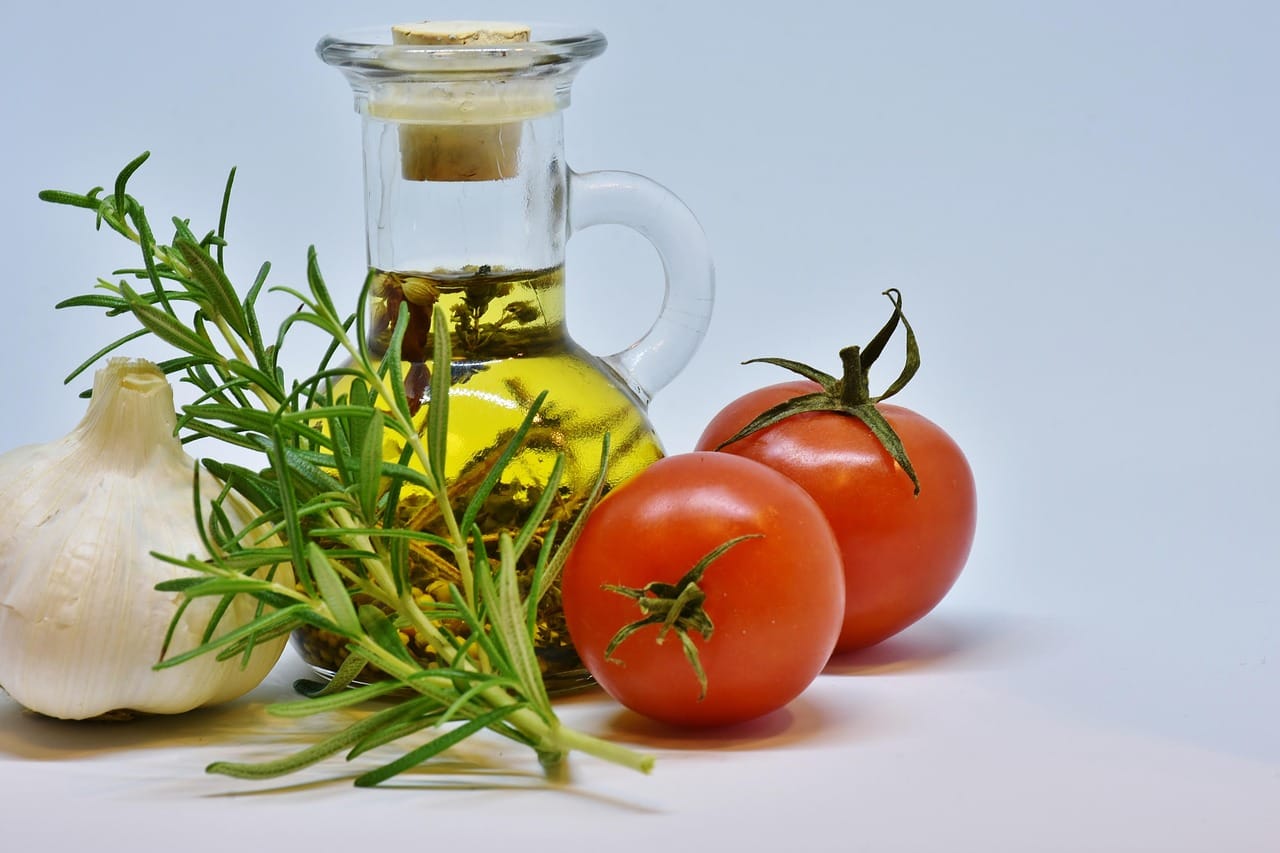
Paired with herbs for antioxidant-rich oils
Its versatility and flavour makes it easy to incorporate daily. This is important as the health benefits associated with olive oil rely on consuming it regularly.
FAQs: Drinking Olive Oil & Other Common Questions
What Are the Benefits of Drinking Olive Oil?
In addition to using oil as their main cooking fat, some people also choose to consume a small amount of olive oil on its own, mostly in the morning.
This is normally around 1-2 tablespoons and has been touted as ‘liquid gold’ by celebrities such as Beyonce and Gwyneth Paltrow.
Potential benefits of a shot of extra virgin olive oil every day may include:
Digestive support
Appetite regulation
Improved fat-soluble nutrient absorption
While you don’t need to drink olive oil to enjoy the health benefits, small amounts (1 tablespoon) can be useful for some individuals.
Benefits of Drinking Olive Oil with Lemon Juice
Combining a mixture of high quality extra virgin olive oil with lemon juice is a traditional wellness practice that offers several health benefits.
The benefits of drinking olive oil with lemon juice are derived by combining their individual antioxidant, anti-inflammatory and heart-healthy properties.
Potential benefits of these are:
Improved digestion
Increase antioxidant intake
May stimulate bile flow
Whilst this ain’t a cure-all, the combination of drinking olive oil and lemon juice can be a beneficial addition to a healthy routine.
Is Olive Oil Good for Longevity?
Yes — extra virgin olive oil is one of the most consistently linked foods for longevity.
Regular consumption is linked to:
Reduced cardiovascular risk
Lower inflammation
Better metabolic health
Healthier aging
One of the best things about EVOO is that it’s not a fancy supplement or lifestyle hack — it’s a foundational food that can easily be integrated into everyday life to replace unhealthy alternatives.
How Much Olive Oil Should You Consume Daily?
Most studies suggest that olive oil will have benefits for your health if you consume 1–4 tablespoons per day, as part of meals.
Bear in mind that as with many foods, more isn’t always better.
The most important things to focus on are the quality of the product, consistent consumption and a healthy diet.
How to Choose the Best Extra Virgin Olive Oil
To enjoy the most health benefits from olive oil you should:
Choose extra virgin only
Look for dark glass bottles - these block UV light which helps to protect the flavor, aroma and antioxidants
Check the harvest dates (fresher is better)
Avoid any blends with seed oils
High-quality olive oil should taste slightly bitter or peppery — this is a sign of high polyphenol content. Kirkland Organic Olive Oil is one of the best we've found.
The Big Picture: Why Olive Oil Deserves a Daily Place in Your Diet
Extra virgin olive oil isn’t a trendy new health food. It’s a timeless, high quality product that has been enjoyed for generations by some of the worlds longest living people.
Its vast range of benefits help to improve:
Heart health
Brain function
Inflammation control
Metabolic resilience
Skin and hair health
In a world full of ultra-processed fats, olive oil stands out as a simple, evidence-based choice that supports long-term health and longevity.
If you’re looking for one nutritional upgrade with outsized returns, you should make extra virgin olive oil a daily staple.
SIGN UP TO GET FREE WEEKLY INSIGHTS IN OUR NEWSLETTER
Evidence-based strategies to lower your biological age and optimize your healthspan — without the guesswork.
Some posts may contain affiliate links, which means we may earn a small commission - at no additional cost to you - if you make a purchase through those links. Thanks for your support. Read our full affiliate disclosure here.
Educational content only. Not medical advice.
support@lifespanblueprint.com
Follow us
Newsletter
Join 10,000+ longevity seekers and get weekly science-backed strategies to live younger, longer.
Enter your email below to get the free guide '7 Longevity Hacks You Can Start Today' instantly.
Created with © systeme.io