Benefits of Sleep for Health & Longevity: Why Quality Sleep Matters
Benefits of Sleep for Health: Why Quality Sleep Is a Core Longevity Lever
Sleep is one of the most active, restorative and powerful processes that the body undertakes.
Yet in modern life, sleep is often the first thing we sacrifice — we work longer, scroll away on our phones until the late hours and treat sleep as optional. But this is one of the biggest mistakes we can make from a longevity perspective.
You should plan and protect your sleep as if your life depends on it!
In this guide, we’ll break down the benefits of sleep for health and explain how sleep supports the brain and body at a cellular level.
We'll then show you how to build a simple sleep routine that supports long-term health, energy and healthy aging.
Why Sleep Is One of the Core Longevity Levers
If you had to choose just a few daily activities that consistently predict and support long-term health, resilience and lifespan; sleep would be at the top of the list.
In fact, sleep is so important for longevity that the Journal of Sleep Research states that adults who regularly sleep less than 6 hours have a 12-20% higher risk of all-cause mortality compared to those who sleep 7-8 hours.
High-quality sleep supports:
Brain function and memory
Immune system strength
Metabolic and hormonal balance
Emotional regulation and stress resilience
Poor sleep, on the other hand, is associated with:
A higher risk of cardiovascular disease
Insulin resistance and weight gain
Cognitive decline
Depression and anxiety
A shorter lifespan
From a longevity perspective, sleep is a foundational pillar.
Nutrition, exercise, supplements and recovery tools all work more effectively when sleep is optimised — and worse when it’s not.
The Benefits of Sleep for Health (Science-Backed)
1. Sleep Benefits for the Brain
Sleep is essential for brain health at every stage of life from infanthood into old age.
During deep sleep:
Memories are consolidated
Learning is reinforced
The brain removes toxins and repairs neural pathways
This “brain cleaning” process removes by-products that build up during the day and are linked to neurodegenerative diseases when left unchecked.
Regular good sleep is associated with:
Better memory and focus
Improved learning and creativity
A lower risk of cognitive decline
In short, sleep is brain maintenance that is crucial for development, growth and learning for children into teenage years and later for preventing cognitive decline and neurogenerative diseases for middle and older age people.
2. Physical Repair and Cellular Recovery
Sleep is when the body does most of its repair work. While you sleep:
Muscle tissue is repaired
Growth hormone is released
Damaged cells are recycled
Immune cells are regenerated
Poor sleep means slower recovery from exercise, an increased risk of injury and weakened immunity.
For longevity, the nightly repair cycle is critical. Aging accelerates when repair processes are interrupted too often or for too long.
3. Hormonal Balance and Metabolic Health
Sleep regulates many of the hormones that control hunger, energy and metabolism in the body.
Poor sleep disrupts:
Insulin sensitivity
Leptin (satiety hormone)
Ghrelin (hunger hormone)
Cortisol (stress hormone)
This is one reason why chronic sleep deprivation is linked to weight gain and metabolic dysfunction — even when the amount of calories consumed remains the same.
From a longevity viewpoint, good sleep protects metabolic health which is one of the strongest predictors of long-term wellness.
4. Cardiovascular and Immune Health
People who consistently have high-quality sleep (7-9 hours) tend to have lower blood pressure, reduced inflammation and a better immune response.
Short or broken sleep leads to an increased risk of:
Heart disease
Stroke
Chronic inflammation
Sleep doesn't just rest and restore you — it’s also protective against potential health issues.
Good Sleep for Health: Quality Matters More Than Perfection
When we talk about sleep, it’s not just about “getting more hours.”
The quality of your sleep matters just as much as how long you sleep.
Good sleep means:
Falling asleep easily
Staying asleep
Getting enough deep and REM sleep
Waking up feeling rested and restored
You don’t need to have a perfect sleep every night — but you do need to strive for consistent high quality sleep over the long term.
How Much Sleep Should I Be Getting?
The amount of sleep you need decreases as you age, with infants requiring 12-16 hours a day, young children 9-12 hours and teens around 8-10 hours.
Individual needs may be different at each of these stages, but for most adults, around 7–9 hours per night is the sweet spot.
Some people will feel great having 7 hours, whilst others need closer to 8 or 9.
What matters most is:
How you feel during the day
Your mental clarity
That you have stable energy
Mood regulation
Chronic sleep restriction — even by as little as 1–2 hours per night — adds up over time and accelerates aging processes.
The Best Way to Sleep for Health: Build a Simple Sleep Routine
Ensuring you get a good night's sleep doesn't require complicated biohacking regimes or extreme measures.
Instead; small, consistent habits make the biggest difference over a long period of time.
Try the following measures to build a good sleep routine.
1. Keep a Consistent Sleep Schedule
A consistent sleep schedule means that you should aim to go to bed and wake up at roughly the same time every day - even at weekends.
This helps to anchor your circadian rhythm — the body's internal clock - providing a rhythm that leads to better health outcomes, and consistent mood and energy.
2. Control Light Exposure
Light exposure also plays an important part in our circadian rhythm.
Receiving and managing light exposure at the correct times of the day helps to wake you up and feel more alert in the morning (by releasing cortisol), and then calmer and drowsier in the evening through the release of the sleep hormone melatonin.
This falls into the ancient cycles that our ancestors have followed for millenia, that we wake up and are active when the sun comes up and settle down for rest and sleep in the lower light of the evening.
Our modern lifestyles have disrupted this balance. To get back to our true cycle and release the right hormones at the right part of the day, you should:
Get bright natural light in the morning
Dim lights in the evening
Avoid bright screens 1–2 hours before bed
Light is the strongest signal your brain uses to regulate sleep timing.
3. Create a Wind-Down Routine
Going hand in hand with light exposure, your nervous system also needs a transition from “go” to “rest" to promote relaxation and a better night's sleep.
Examples of this include:
Reading
Light stretching
Breathwork
Journaling
Adopting this as part of your evening routine would also mean no heavy exercise or large meals too close to bedtime, and reducing blue light exposure (through phones and screens) at least 1-2 hours before bed.
Then use one or more of the practices above to move into a rested state, priming your body to get ready for sleep.
Magnesium Sleep Benefits (And Other Helpful Tools)
Alongside the above techniques, certain tools can support better sleep when used appropriately.
These include sleep aids such as sleep masks or blue light blocking glasses to supplements such as magnesium.
Magnesium Sleep Benefits
Magnesium plays an important role in improving sleep quality and reducing insomnia.
It helps to:
Relax muscles
Reduce cortisol (the stress hormone)
Regulate melatonin production
Many people find magnesium supplements helpful for:
Falling asleep faster
Reducing nighttime awakenings
Improving sleep quality
Daily supplementation of up to 350-500g taken in the evening is recommended for better sleep.
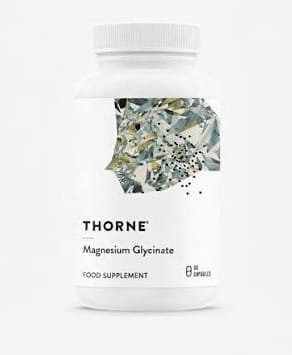
There are several different forms of magneisum, but aim for high quality magnesium glycinate or threonate for sleep support.
Other Helpful Sleep Aids
The following sleep aids can also be beneficial if you struggle to achieve high quality sleep, or to create a better sleep environment:
Sleep masks (block light completely)
Weighted blankets (for some people)
These tools don’t replace good habits — they help to support them.
Sleep Hygiene: Small Changes, Big Returns
Having 'good sleep hygiene' means ensuring you have a cool, dark and quiet bedroom.
You should also:
Limit caffeine after midday
Avoid heavy meals late at night
Keep the bed for sleep and intimacy only
These may sound like simple requirements — but they’re incredibly effective when applied consistently.
FAQs: Sleep and Longevity
What Are the Main Benefits of Sleep for Health?
Sleep supports brain function, physical repair, immune strength, metabolic balance and emotional regulation — which are all critical aspects for living a long, healthy life.
The role of sleep, and the benefits of sleep for health cannot be understated as an essential supporting pillar of longevity.
How Much Sleep Should I Be Getting for Longevity?
Most adults benefit from 7–9 hours per night, with consistency being more important than perfection.
Is Magnesium Good for Sleep?
Magnesium can support relaxation and sleep quality, especially when stress or muscle tension is involved.
What’s the Best Way to Sleep for Health?
A consistent schedule, good light exposure (at the right times), calming routines and a supportive sleep environment all help to achieve good quality sleep.
Sleep as Part of a Longevity System
If you are looking to build consistent routines to promote long-term health, it's important to remember that sleep doesn’t work in isolation.
It works best when combined with:
This systems-based approach is exactly why we created the Biohacker’s Longevity Starter Kit — to help people build a complete foundation rather than chasing isolated hacks.
If sleep has been a struggle, it’s often a signal that the system as a whole needs alignment.
The Big Picture: Why Sleep Is Non-Negotiable for Longevity
If you’re serious about long-term health, sleep isn’t optional.
It’s one of the most powerful, accessible, and evidence-backed longevity tools available — and it’s free.
You don’t need perfection.
You need consistency, awareness and a routine that supports your biology.
Start there — and everything else gets easier.
Please note: If you make a purchase through one of the links, we may receive a small commission at no extra cost to you. Thanks for your support.
SIGN UP TO GET FREE WEEKLY INSIGHTS IN OUR NEWSLETTER
Evidence-based strategies to lower your biological age and optimize your healthspan — without the guesswork.
Some posts may contain affiliate links, which means we may earn a small commission - at no additional cost to you - if you make a purchase through those links. Thanks for your support. Read our full affiliate disclosure here.
Educational content only. Not medical advice.
support@lifespanblueprint.com
Follow us
Newsletter
Join 10,000+ longevity seekers and get weekly science-backed strategies to live younger, longer.
Enter your email below to get the free guide '7 Longevity Hacks You Can Start Today' instantly.
Created with © systeme.io